XK0-004日本語: CompTIA Linux+ Certification Exam (XK0-004日本語版) test questions materials can help users pass exam certainly. If users pay much attention to our CompTIA XK0-004日本語 test questions most of users will pass real test with good passing score.

CompTIA Linux+ Certification Exam (XK0-004日本語版) : XK0-004日本語

XK0-004日本語 actual test
  • Exam Code: XK0-004J
  • Exam Name: CompTIA Linux+ Certification Exam (XK0-004日本語版)
  • Updated: Aug 27, 2026
  • Q & A: 485 Questions and Answers
  • PDF Demo
  • PC Test Engine
  • Online Test Engine
  • Total Price: $69.99  

About CompTIA Linux+ Certification Exam (XK0-004日本語版) : XK0-004日本語 Exam

Three versions of excellent products: PDF version, Soft version, APP version

We release three versions of XK0-004日本語: CompTIA Linux+ Certification Exam (XK0-004日本語版) test questions materials. Different kinds of products satisfy different demands of people. If you like writing and reading on paper, PDF version of XK0-004日本語 test questions are suitable for you. If you like studying on computer you can choose soft version or/and APP version.

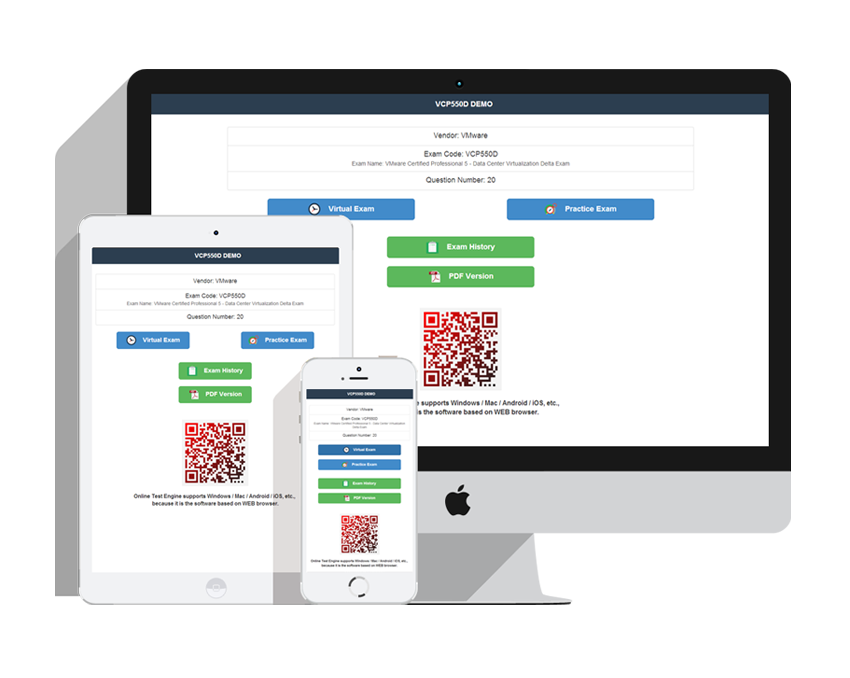
These two versions of XK0-004日本語 test engine have some similar functions: timed test, mark your performance, point out wrong questions and remind you of practicing many times. Soft version of XK0-004日本語: CompTIA Linux+ Certification Exam (XK0-004日本語版) test questions are downloaded and installed in personal computers (Windows operating system and Java environment). APP version of XK0-004日本語 test questions are based on WEB browser, it supports Windows / Mac / Android / iOS etc.

Soft version of XK0-004日本語: CompTIA Linux+ Certification Exam (XK0-004日本語版) test questions can be downloaded in more than 200 personal computers. Once you download software, you use it offline any time. If there is no network, you can copy on another computer. APP version of XK0-004日本語 test questions are downloaded and installed well. It is based on web browser, if you do not close website, you can also use it offline. As to functional performance APP version of CompTIA XK0-004日本語 test exam materials may be much stabler than Soft version.

Golden service: 7/24 online service support

We support 7/24 online customer service even on large official holiday. No matter when candidates have any problem & advice about XK0-004日本語: CompTIA Linux+ Certification Exam (XK0-004日本語版) test questions materials we are sure to reply and solve with you soon. Service staff performance assess criteria are required that any email and contact about XK0-004日本語 test engine should be handled in two hours.

CompTIA Linux+ Exam Certification Details:

Books / TrainingCertMaster Learn for Linux+
Schedule ExamPearson VUE
CompTIA Marketplace
Passing Score720 / 900
Exam NameCompTIA Linux+
Exam Price$338 (USD)
Duration90 mins
Number of Questions90
Sample QuestionsCompTIA Linux+ Sample Questions
Exam CodeXK0-004

CompTIA XK0-004 Exam Syllabus Topics:

TopicDetails

Hardware and System Configuration - 21%

Explain Linux boot process concepts.1.Boot loaders
  • GRUB
  • GRUB2

2.Boot options

  • UEFI/EFI
  • PXE
  • NFS
  • Boot from ISO
  • Boot from HTTP/FTP

2.File locations

  • /etc/default/grub
  • /etc/grub2.cfg
  • /boot
  • /boot/grub
  • /boot/grub2
  • /boot/ef

3.Boot modules and files

  • Commands
    mkinitrd
    dracut
    grub2-install
    grub2-mkconfig
  • initramfs
  • efi files
  • vmlinuz
  • vmlinux

4.Kernel panic

Given a scenario, install, configure, and monitor kernel modules.1.Commands
  • lsmod
  • insmod
  • modprobe
  • modinfo
  • dmesg
  • rmmod
  • depmod

2.Locations

  • /usr/lib/modules/[kernelversion]
  • /usr/lib/modules
  • /etc/modprobe.conf
  • /etc/modprobe.d/
Given a scenario, configure and verify network connection parameters.1.Diagnostic tools
  • ping
  • netstat
  • nslookup
  • dig
  • host
  • route
  • ip
  • ethtool
  • ss
  • iwconfig
  • nmcli
  • brctl
  • nmtui

2.Configuration files

  • /etc/sysconfig/network-scripts/
  • /etc/sysconfig/network
  • /etc/hosts
  • /etc/network
  • /etc/nsswitch.conf
  • /etc/resolv.conf
  • /etc/netplan
  • /etc/sysctl.conf
  • /etc/dhcp/dhclient.conf

3.Bonding

  • Aggregation
  • Active/passive
  • Load balancing
Given a scenario, manage storage in a Linux environment.1.Basic partitions
  • Raw devices
  • GPT
  • MBR

2.File system hierarchy

  • Real file systems
  • Virtual file systems
  • Relative paths
  • Absolute paths

3.Device mapper

  • LVM
  • mdadm
  • Multipath

4.Tools

  • XFS tools
  • LVM tools
  • EXT tools
  • Commands
    mdadm
    fdisk
    parted
    mkfs
    iostat
    df
    du
    mount
    umount
    lsblk
    blkid
    dumpe2fs
    resize2fs
    fsck
    tune2fs
    e2label

5.Location

  • /etc/fstab
  • /etc/crypttab
  • /dev/
  • /dev/mapper
  • /dev/disk/by-
    id
    uuid
    path
    multipath
  • /etc/mtab
  • /sys/block
  • /proc/partitions
  • /proc/mounts

6.File system types

  • ext3
  • ext4
  • xfs
  • nfs
  • smb
  • cifs
  • ntfs
Compare and contrast cloud and virtualization concepts and technologies.1.Templates
  • VM
  • OVA
  • OVF
  • JSON
  • YAML
  • Container images

2.Bootstrapping

  • Cloud-init
  • Anaconda
  • Kickstart

3.Storage

  • Thin vs. thick provisioning
  • Persistent volumes
  • Blob
  • Block

4.Network considerations

  • Bridging
  • Overlay networks
  • NAT
  • Local
  • Dual-homed

5.Types of hypervisors
6.Tools

  • libvirt
  • virsh
  • vmm
Given a scenario, configure localization options.1.File locations
  • /etc/timezone
  • /usr/share/zoneinfo

2.Commands

  • localectl
  • timedatectl
  • date
  • hwclock

3.Environment variables

  • LC_*
  • LC_ALL
  • LANG
  • TZ

4.Character sets

  • UTF-8
  • ASCII
  • Unicode

Systems Operation and Maintenance - 26%

Given a scenario, conduct software installations, configurations, updates, and removals.1.Package types
  • .rpm
  • .deb
  • .tar
  • .tgz
  • .gz

2.Installation tools

  • RPM
  • Dpkg
  • APT
  • YUM
  • DNF
  • Zypper

3.Build tools

  • Commands
    make
    make install
    ldd
  • Compilers
  • Shared libraries

4.Repositories

  • Configuration
  • Creation
  • Syncing
  • Locations

5.Acquisition commands

  • wget
  • curl
Given a scenario, manage users and groups.1.Creation
  • useradd
  • groupadd

2.Modification

  • usermod
  • groupmod
  • passwd
  • chage

3.Deletion

  • userdel
  • groupdel

4.Queries

  • id
  • whoami
  • who
  • w
  • last

5.Quotas

  • User quota
  • Group quota

6.Profiles

  • Bash parameters
    User entries
    - .bashrc
    - .bash_profile
    - .profile
  • Global entries
    /etc/bashrc
    /etc/profile.d/
    /etc/skel
    /etc/profile

7.Important files and file contents

  • /etc/passwd
  • /etc/group
  • /etc/shadow
Given a scenario, create, modify, and redirect files.1.Text editors
  • nano
  • vi

2.File readers

  • grep
  • cat
  • tail
  • head
  • less
  • more

3.Output redirection

  • <
  • >
  • |
  • <<
  • >>
  • 2>
  • &>
  • stdin
  • stdout
  • stderr
  • /dev/null
  • /dev/tty
  • xargs
  • tee
  • Here documents

4.Text processing

  • grep
  • tr
  • echo
  • sort
  • awk
  • sed
  • cut
  • printf
  • egrep
  • wc
  • paste

5.File and directory operations

  • touch
  • mv
  • cp
  • rm
  • scp
  • ls
  • rsync
  • mkdir
  • rmdir
  • ln
    Symbolic (soft)
    Hard
  • unlink
  • inodes
  • find
  • locate
  • grep
  • which
  • whereis
  • diff
  • updatedb
Given a scenario, manage services.1.Systemd management
  • Systemctl
    Enabled
    Disabled
    Start
    Stop
    Mask
    Restart
    Status
    Daemon-reload
  • Systemd-analyze blame
  • Unit files
    Directory locations
    Environment parameters
  • Targets
  • Hostnamectl
  • Automount

2.SysVinit

  • chkconfig
    on
    off
    level
  • Runlevels
    Definitions of 0–6
    /etc/init.d
    /etc/rc.d
    /etc/rc.local
    /etc/inittab
    Commands
    -runlevel
    -telinit
  • Service
    Restart
    Status
    Stop
    Start
    Reload
Summarize and explain server roles.1.NTP
2.SSH
3.Web
4.Certificate authority
5.Name server
6.DHCP
7.File servers
8.Authentication server
9.Proxy
10.Logging
11.Containers
12.VPN
13.Monitoring
14.Database
15.Print server
16.Mail server
17.Load balancer
18.Clustering
Given a scenario, automate and schedule jobs.1.cron
2.at
3.crontab
4.fg
5.bg
6.&
7.kill
8.Ctrl+c
9.Ctrl+z
10.nohup
Explain the use and operation of Linux devices.1.Types of devices
  • Client devices
  • Bluetooth
  • WiFi
  • USB
  • Monitors
  • GPIO
  • Network adapters
  • PCI
  • HBA
  • SATA
  • SCSI
  • Printers
  • Video
  • Audio

2.Monitoring and configuration tools

  • lsdev
  • lsusb
  • lspci
  • lsblk
  • dmesg
  • lpr
  • lpq
  • abrt
  • CUPS
  • udevadm
    add
    reload-rules
    control
    trigger

3.File locations

  • /proc
  • /sys
  • /dev
  • /dev/mapper
  • /etc/X11

4.Hot pluggable devices

  • /usr/lib/udev/rules.d (System rules - Lowest priority)
  • /run/udev/rules.d (Volatile Rules)
  • /etc/udev/rules.d (Local Administration - Highest priority)
  • /etc/udev/rules.d
Compare and contrast Linux graphical user interfaces.1.Servers
  • Wayland
  • X11

2.GUI

  • Gnome
  • Unity
  • Cinnamon
  • MATE
  • KDE

3.Remote desktop

  • VNC
  • XRDP
  • NX
  • Spice

4.Console redirection

  • SSH port forwarding
    Local
    Remote
    X11 forwarding
    VNC

5.Accessibility

Security - 19%

Given a scenario, apply or acquire the appropriate user and/or group permissions and ownership.1.File and directory permissions
  • Read, write, execute
  • User, group, other
  • SUID
  • Octal notation
  • umask
  • Sticky bit
  • SGID
  • Inheritance
  • Utilities
    chmod
    chown
    chgrp
    getfacl
    setfacl
    ls
    ulimit
    chage

2.Context-based permissions

  • SELinux configurations
    disabled
    permissive
    enforcing
  • SELinux policy
    targeted
  • SELinux tools
    setenforce
    getenforce
    sestatus
    setsebool
    getsebool
    chcon
    restorecon
    ls -Z
    ps -Z
  • AppArmor
    aa-disable
    aa-complain
    aa-unconfined
    /etc/apparmor.d/
    /etc/apparmor.d/tunables

3.Privilege escalation

  • su
  • sudo
  • wheel
  • visudo
  • sudoedit

4.User types

  • Root
  • Standard
  • Service
Given a scenario, configure and implement appropriate access and authentication methods.1.PAM
  • Password policies
  • LDAP integration
  • User lockouts
  • Required, optional, or sufficient
  • /etc/pam.d/
  • pam_tally2
  • faillock

2.SSH

  • ~/.ssh/
    known_hosts
    authorized_keys
    config
    id_rsa
    id_rsa.pub
  • User-specific access
  • TCP wrappers
  • /etc/ssh/
    ssh_config
    sshd_config
  • ssh-copy-id
  • ssh-keygen
  • ssh-add

3.TTYs

  • /etc/securetty
  • /dev/tty#

4.PTYs
5.PKI

  • Self-signed
  • Private keys
  • Public keys
  • Hashing
  • Digital signatures
  • Message digest

6.VPN as a client

  • SSL/TLS
  • Transport mode
  • Tunnel mode
  • IPSec
  • DTLS
Summarize security best practices in a Linux environment.1.Boot security
  • Boot loader password
  • UEFI/BIOS password

2.Additional authentication methods

  • Multifactor authentication
    Tokens
    -Hardware
    -Software
    OTP
    Biometrics
  • RADIUS
  • TACACS+
  • LDAP
  • Kerberos
    kinit
    klist

3.Importance of disabling root login via SSH
4.Password-less login

  • Enforce use of PKI

5.Chroot jail services
6. No shared IDs
7.Importance of denying hosts
8.Separation of OS data from application data

  • Disk partition to maximize system availability

9.Change default ports
10.Importance of disabling or uninstalling unused and unsecure services

  • FTP
  • Telnet
  • Finger
  • Sendmail
  • Postfix

11.Importance of enabling SSL/TLS
12.Importance of enabling auditd
13.CVE monitoring
14.Discouraging use of USB devices
15.Disk encryption

  • LUKS

16.Restrict cron access
17.Disable Ctrl+Alt+Del
18.Add banner
19.MOTD

Given a scenario, implement logging services.1.Key file locations
  • /var/log/secure
  • /var/log/messages
  • /var/log/[application]
  • /var/log/kern.log

2.Log management

  • Third-party agents
  • logrotate
  • /etc/rsyslog.conf
  • journald
    journalctl

3.lastb

Given a scenario, implement and configure Linux firewalls.1.Access control lists
  • Source
  • Destination
  • Ports
  • Protocol
  • Logging
  • Stateful vs. stateless
  • Accept
  • Reject
  • Drop
  • Log

2.Technologies

  • firewalld
    Zones
    Run time
  • iptables
    Persistency
    Chains
  • ufw
    /etc/default/ufw
    /etc/ufw/
  • Netfilter

3.IP forwarding

  • /proc/sys/net/ipv4/ip_forward
  • /proc/sys/net/ipv6/conf/all/forwarding

4.Dynamic rule sets

  • DenyHosts
  • Fail2ban
  • IPset

5.Common application firewall configurations

  • /etc/services
  • Privileged ports
Given a scenario, backup, restore, and compress files.1.Archive and restore utilities
  • tar
  • cpio
  • dd

2.Compression

  • gzip
  • xz
  • bzip2
  • zip

3.Backup types

  • Incremental
  • Full
  • Snapshot clones
  • Differential
  • Image

4.Off-site/off-system storage

  • SFTP
  • SCP
  • rsync

5.Integrity checks

  • MD5
  • SHA

Linux Troubleshooting and Diagnostics - 20%

Given a scenario, analyze system properties and remediate accordingly.1.Network monitoring and configuration
  • Latency
    Bandwidth
    Throughput
  • Routing
  • Saturation
  • Packet drop
  • Timeouts
  • Name resolution
  • Localhost vs. Unix socket
  • Adapters
    RDMA drivers
  • Interface configurations
  • Commands
    nmap
    netstat
    iftop
    route
    iperf
    tcpdump
    ipset
    Wireshark
    - tshark
    netcat
    traceroute
    mtr
    arp
    nslookup
    dig
    host
    whois
    ping
    nmcli
    ip
    tracepath

2.Storage monitoring and configuration

  • iostat
  • ioping
  • IO scheduling
    cfq
    noop
    deadline
  • du
  • df
  • LVM tools
  • fsck
  • partprobe

3.CPU monitoring and configuration

  • /proc/cpuinfo
  • uptime
  • loadaverage
  • sar
  • sysctl

4.Memory monitoring and configuration

  • swapon
  • swapoff
  • mkswap
  • vmstat
  • Out of memory killer
  • free
  • /proc/meminfo
  • Buffer cache output

5.Lost root password

  • Single user mode
Given a scenario, analyze system processes in order to optimize performance.1.Process management
  • Process states
    Zombie
    Uninterruptible sleep
    Interruptible sleep
    Running
  • Priorities
  • Kill signals
  • Commands
    nice
    renice
    top
    time
    ps
    lsof
    pgrep
    pkill
  • PIDs
Given a scenario, analyze and troubleshoot user issues.1.Permissions
  • File
  • Directory

2.Access

  • Local
  • Remote

3.Authentication

  • Local
  • External
  • Policy violations

4.File creation

  • Quotas
  • Storage
  • Inode exhaustion
  • Immutable files

5.Insufficient privileges for authorization

  • SELinux violations

6.Environment and shell issues

Given a scenario, analyze and troubleshoot application and hardware issues.1.SELinux context violations
2.Storage
  • Degraded storage
  • Missing devices
  • Missing volumes
  • Missing mount point
  • Performance issues
  • Resource exhaustion
  • Adapters
    SCSI
    RAID
    SATA
    HBA
    - /sys/class/scsi_host/host#/scan
  • Storage integrity
    Bad blocks

3.Firewall

  • Restrictive ACLs
  • Blocked ports
  • Blocked protocols

4.Permission

  • Ownership
  • Executables
  • Inheritance
  • Service accounts
  • Group memberships

5.Dependencies

  • Patching
  • Update issues
  • Versioning
  • Libraries
  • Environment variables
  • GCC compatibility
  • Repositories

6.Troubleshooting additional hardware issues

  • Memory
  • Printers
  • Video
    GPU drivers
  • Communications ports
  • USB
  • Keyboard mapping
  • Hardware or softwarecompatibility issues
  • Commands
    dmidecode
    lshw

Automation and Scripting - 14%

Given a scenario, deploy and execute basic BASH scripts.1.Shell environments and shell variables
  • PATH
  • Global
  • Local
  • export
  • env
  • set
  • printenv
  • echo

2.#!/bin/bash
3.Sourcing scripts
4.Directory and file permissions

  • chmod

5.Extensions
6.Commenting

  • #

7.File globbing
8.Shell expansions

  • ${}
  • $()
  • ` `

8.Redirection and piping
9.Exit codes

  • stderr
  • stdin
  • stdout

10.Metacharacters
11.Positional parameters
12.Looping constructs

  • while
  • for
  • until

13.Conditional statements

  • if
  • case

14.Escaping characters

Given a scenario, carry out version control using Git.1.Arguments
  • clone
  • push
  • pull
  • commit
  • merge
  • branch
  • log
  • init
  • config

2.Files

  • gitignore
  • .git/
Summarize orchestration processes and concepts.1.Agent
2.Agentless
3.Procedures
4.Attributes
5.Infrastructure automation
6.Infrastructure as code
7.Inventory
8.Automated configuration management
9.Build automation

We guarantee that No Pass No Pay

We are confident about our XK0-004日本語: CompTIA Linux+ Certification Exam (XK0-004日本語版) test questions materials that we can help users pass real test certainly. Our passing rate for CompTIA Linux+ exam is 99.69%. Most candidates will clear exam successfully. We make sure that if you fail exam sadly we will full refund to you unconditionally. If candidates send us your unqualified score scanned, we will refund to you directly. Please trust our XK0-004日本語: CompTIA Linux+ Certification Exam (XK0-004日本語版) test questions. If you choose us, we will help you success surely.

After purchase, Instant Download: Upon successful payment, Our systems will automatically send the product you have purchased to your mailbox by email. (If not received within 12 hours, please contact us. Note: don't forget to check your spam.)

Golden service: one year service warrant after sale

If you purchase our XK0-004日本語: CompTIA Linux+ Certification Exam (XK0-004日本語版) test questions materials, we guarantee our products are valid for one year. You can download our latest materials free of charge within one year if we release new XK0-004日本語 test questions. If you are ready to purchase test engine, please rest assured that we will serve for ever user within one year before passing test.

Target audience and recommended experience

If you are an IT professional who needs to gain skills in using Linux to manage everything from smartphones and cars to supercomputers and servers, you will get a lot of benefits from pursuing this pathway.

All the potential candidates should have the relevant knowledge of how to deal with different tasks, such as basic maintenance, networking, configuration and installation of workstations, as well as usage of the Linux command line. Besides that, you need to have the CompTIA A+ and CompTIA Network+ certifications and gain about a year of working as a Linux Administrator.

How can you get valid XK0-004日本語: CompTIA Linux+ Certification Exam (XK0-004日本語版) test questions for passing exam? Many candidates are looking for valid test online to pass exam day to day. Here is your chance. Testpassed offers the best high passing rate XK0-004日本語 test online to help candidates pass exam for sure. We are engaged in editing good test questions materials so many years. Our educational experts all have more than 8 years' experience in IT career certifications. Our XK0-004日本語: CompTIA Linux+ Certification Exam (XK0-004日本語版) test questions are edited seriously and strictly. We guarantee our products help most of candidates pass test. If users pay much attention to our CompTIA XK0-004日本語 test questions most of users will get good passing score.

Free Download real XK0-004日本語 test passed rate

Systems Operation and Maintenance

Here, students should be well conversant with the following concepts:

  • Comparing and contrasting the graphical user interfaces of a Linux system.
  • Conducting software installations, updates, removals, and configurations;
  • Explaining the role of Linux devices;
  • Creating, modifying, and redirecting files;
  • Scheduling and automating jobs;
  • Summarizing and explaining server roles like Linux;
  • Managing users and groups including query users, disk quotas, and profiles.
  • Managing services like Systemd & InitV;

Reference: https://certification.comptia.org/certifications/linux#overview

What Clients Say About Us

LEAVE A REPLY

Your email address will not be published. Required fields are marked *

QUALITY AND VALUE

TestPassed Practice Exams are written to the highest standards of technical accuracy, using only certified subject matter experts and published authors for development - no all study materials.

Tested and Approved

We are committed to the process of vendor and third party approvals. We believe professionals and executives alike deserve the confidence of quality coverage these authorizations provide.

Easy to Pass

If you prepare for the exams using our TestPassed testing engine, It is easy to succeed for all certifications in the first attempt. You don't have to deal with all dumps or any free torrent / rapidshare all stuff.

Try Before Buy

TestPassed offers free demo of each product. You can check out the interface, question quality and usability of our practice exams before you decide to buy.

Our Clients